



Fractional real estate ownership is gaining attention among Muslims in the United States. High property prices make full ownership difficult for many people. Fractional investing offers a way to invest with smaller amounts. This raises an important question. Is fractional real estate halal. The answer depends on how the investment is structured.
Fractional real estate ownership means shared ownership of a property. An investor purchases a percentage of a residential or commercial property. Other investors own the remaining portions.
Each owner earns income based on their share. Expenses are also divided among owners. This model allows access to real estate without buying an entire property.
Islam emphasizes real ownership of assets. Ownership means having legal rights to a physical property. Income must come from the actual use of that asset.
When ownership is real, profit and loss are shared. There are no guaranteed returns. This structure aligns with Islamic principles when interest is avoided.
Some fractional investments do not offer real ownership. Instead, investors gain financial exposure to property performance. They do not legally own the asset.
These models often provide fixed returns. Income may be paid even if the property does not perform well. This resembles interest-based investing and is generally not halal.
The question is fractional real estate halal depends on the structure. Fractional ownership can be halal when Islamic guidelines are followed.
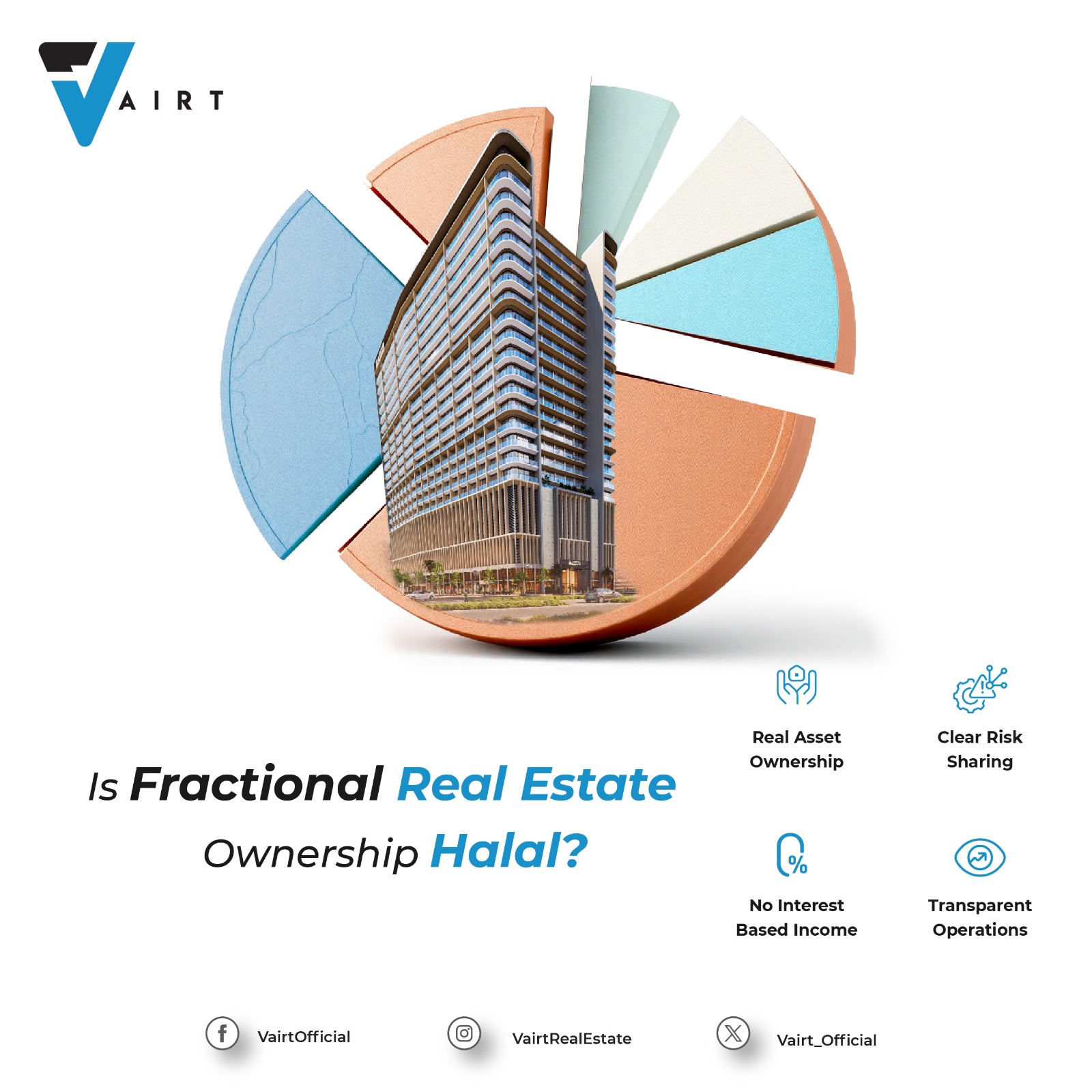
Real ownership must exist. Income must come from rental earnings. Risk must be shared fairly. Interest must be completely avoided.
Fractional ownership is halal when investors legally own part of the property. Returns are tied to actual rental income. Losses are also shared.
Fractional ownership becomes haram when returns are guaranteed. It is not halal when interest-based financing is involved. Unclear ownership also makes the investment non compliant.
Halal fractional real estate is based on partnership. Each investor owns a defined share of the asset. The property generates income through rent.
That income is distributed according to ownership percentage. Losses are shared as well. This structure follows Islamic principles of fairness and transparency.
Muslim investors in the USA should be cautious when choosing fractional investments. Many platforms use complex financial models. Some include hidden interest or unclear contracts.
Understanding the ownership structure is essential. Legal documentation and Shariah compliance must be verified before investing.
Guaranteed returns are a major warning sign. Interest-based loans are another concern. Lack of legal ownership documentation is also risky.
When income is not linked to actual rental performance, the investment is usually not halal.
Vairt is a halal-focused real estate investment platform designed for Muslim investors. It offers access to fractional real estate opportunities that prioritize Islamic principles.
Vairt focuses on real ownership. Investments are asset-backed and transparent. The goal is to make halal real estate investing accessible and trustworthy.
Vairt is built with Shariah compliance at its core. Ownership structures are clear and documented. Income is generated from real rental activity.
Vairt avoids interest-based financing. Profits and losses are shared fairly. This makes Vairt suitable for Muslims seeking halal fractional real estate in the USA.
Fractional real estate ownership is not automatically halal or haram. It becomes halal only when real ownership exists and Islamic rules are followed.
Muslims should always understand how an investment works before committing. Clear ownership and interest-free structures protect both faith and wealth.
Platforms like Vairt aim to provide clarity and trust in halal real estate investing.
Is fractional real estate halal for Muslims in the USA?
Fractional real estate can be halal if the investor owns a real share of the property and income comes from rent without interest.
Is fractional ownership halal or haram?
It depends on the structure. Real ownership with shared profit and loss can be halal. Guaranteed returns or interest make it haram.
What makes halal fractional real estate different?
Halal fractional real estate is asset-backed. It involves real ownership, shared risk, and no interest-based financing.
Can Muslims invest in fractional real estate safely?
Yes, if the platform follows Islamic principles and provides transparent ownership documentation.
Why is Vairt suitable for Muslim investors?
Vairt focuses on Shariah-compliant structures, real ownership, and ethical real estate investing.
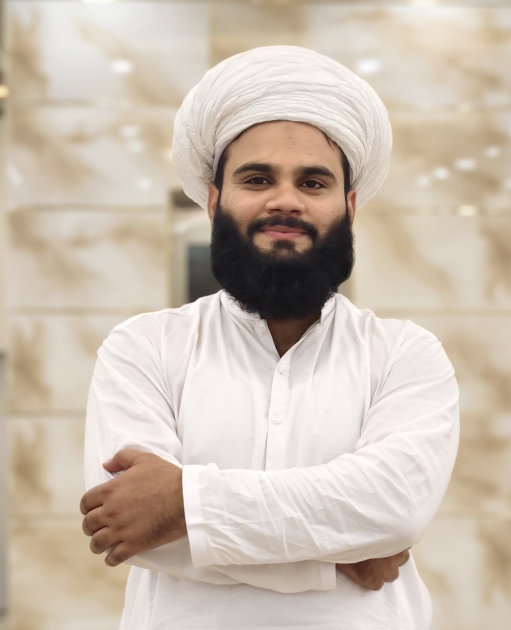
Hassan is a financial writer at Vairt, specializing in halal investing and ethical wealth management. He simplifies complex financial topics to help Muslim investors explore Shariah-compliant opportunities in real estate, stocks, gold, and more. His goal is to empower readers with clear, practical insights for confident and long-term wealth building.


Certain statements contained in this document constitute forward-looking statements. Such forward-looking statements, including our intended actions and performance objectives, projections, targets, estimates, or forecasts involve known and unknown risks, uncertainties and other important factors, including our ability to successfully develop and operate the Vairt Marketplace, our business model and the services we intend to offer. These factors are based on expectations and assumptions that may change and are subject to regulatory uncertainty, changes in our legal environment and the blockchain and real estate industries generally, which could cause our actual results, performance or achievements to differ materially from any future results, performance or achievements expressed or implied by such forward-looking statements. All amounts, numbers, ranges, and values presented in this document are subject to material change and should be taken as preliminary and indicative only. Any such amounts, numbers, ranges, and values are based upon preliminary estimates, remain subject to ongoing analysis and may change materially. All forward-looking statements in this document speak only as of the date hereof. We expressly disclaim any obligation to update any forward-looking statement to reflect any change in our expectation or any change in events, conditions, assumptions or circumstances.
Comments